
Every week, dairy news articles circle the impact of the growing milk production in the United States and what factors could possibly help support prices despite the looming supply. The one bright spot helping to elevate the massive supply issue is the extreme growth in exports we’ve seen over the last few years.
In 2025, the United States approached near record export values at a whopping $9.51 billion in dairy products exported. Second to 2022 in dollars of products shipped to other countries. That equates to a 15% increase year over year from 2024 in dollars and 5% more in total volume of dairy products exported.
Currently, the U.S. sells to 143 countries which saw the biggest increase in demand from a wide range of buyers in the Middle East, South Asia, North Africa and South America. We are third largest exporter of dairy products in the world.
In 2025, the U.S. saw a huge increase in butter and milk fat shipments, up over 165% from 2024. Whole milk powder also saw a massive increase, coming in 56% higher than 2024. Cheese and butter product demand is strong both domestically and abroad.
Globally, milk supply is plentiful with the U.S., New Zealand, and the European Union increasing steady. It can be seen when comparing prices as the World Milk Price which has been falling since early last June.
With supply being plentiful and exports strong, the world has all eyes on the conflict in the Middle East. Over the weekend, tensions between Iran and the United States led to strikes on U.S. bases in Bahrain and buildings in Dubai. While not a direct impact to the dairy industry, the tensions can be felt throughout.
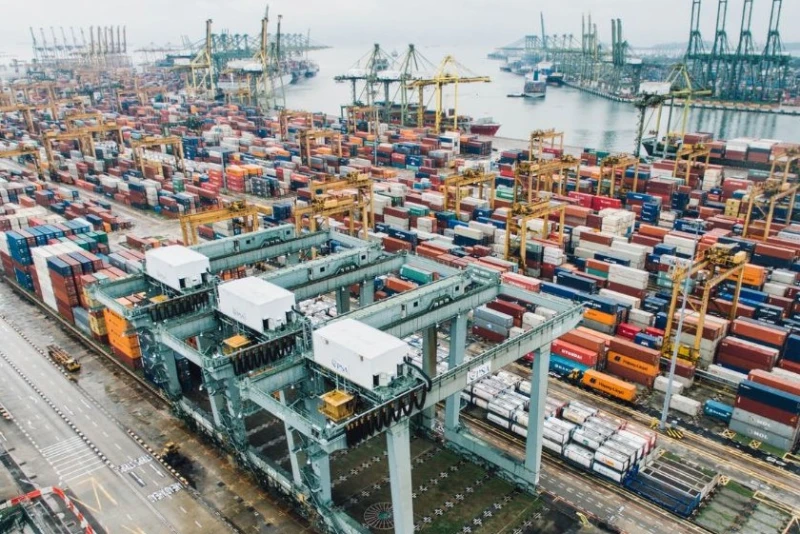
For shipments, insurance and freight costs will be a factor, especially near the Strait of Hormuz. Most cargos will see increased cost with the added risk as well as some energy cost spikes, given the impact on crude oil. Insurance companies either drop coverage or increase prices enough to discourage travel through those areas as we saw with the Russian/Ukrainian war. Bottlenecks in logistics may also be a factor going forward.
As far as changes that will directly affect dairy, it is too soon to tell but something the United States, EU and New Zealand are keeping a close eye on. Butter so far has not factored in a risk to demand as Monday trade was higher on the day. Volatility is to be expected whether it comes directly in the futures markets for dairy products or indirectly from the impact seen on the stock market. This can create marketing opportunities, especially in the deferred months which have surpassed the $18 mark in Class III Milk futures for June and beyond.
Sarah Jungman is a commodity broker with AgMarket.Net and AgDairy, the dairy division of John Stewart & Associates Inc. (JSA). JSA is a full-service commodity brokerage firm based out of St. Joseph, MO. Sarah’s office is located in Winterset, Iowa and she may be reached at 515-272-5799 or through the website www.agmarket.net.
The thoughts expressed and the basic data from which they are drawn are believed to be reliable but cannot be guaranteed. Any opinions expressed herein are subject to change without notice. Hypothetical or simulated performance results have certain inherent limitations. Simulated results do not represent actual trading. Simulated trading programs are subject to the benefit of hindsight. No representation is being made that any account will or is likely to achieve profits or losses similar to those shown. There is risk of loss in trading commodity futures and options on futures. It may not be suitable for everyone. This material has been prepared by an employee or agent of JSA and is in the nature of a solicitation. By accepting this communication, you acknowledge and agree that you are not, and will not rely solely on this communication for making trading decisions.



